
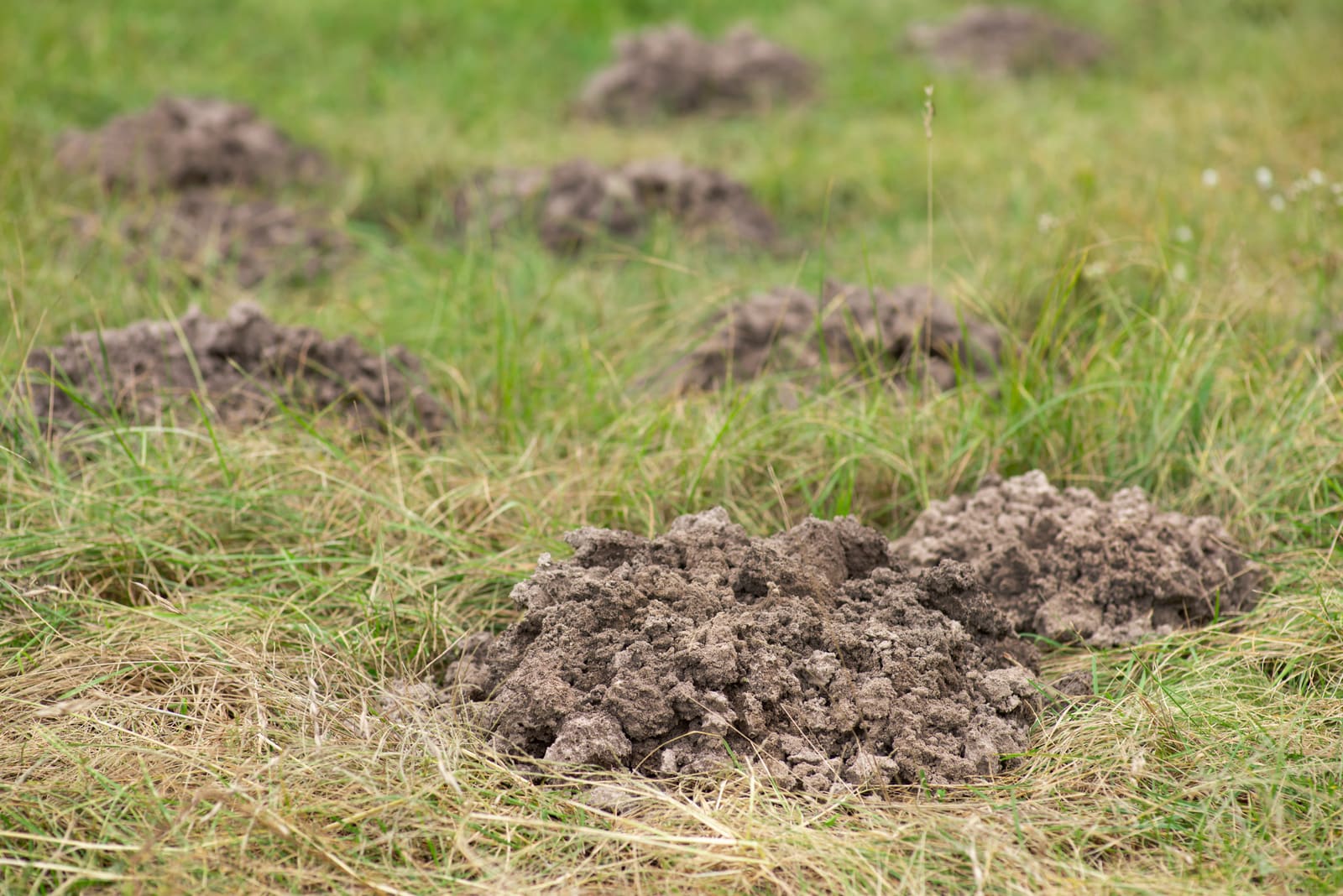
Pocket gopher vs mole identification usually comes down to one detail most homeowners never think to check: the shape of the mound. Gopher mounds are fan-shaped or crescent-shaped, with the dirt pushed out to one side in a distinct horseshoe pattern, while true mole activity in a yard tends to show up as raised, meandering ridges just under the surface rather than a series of separate mounds. This distinction matters because gopher control and mole control call for different tactics entirely, and treating a yard for the wrong animal wastes time while the actual culprit keeps digging. It’s also worth knowing upfront that true moles are far less common across Riverside’s dry, irrigation-dependent landscape than gophers are, which makes the mound shape an especially useful first clue. Here is how to read the difference, what each animal is actually doing underground, why one is so much more likely to be the culprit in a local yard than the other, and why getting the identification right changes the entire approach.
The Mound Shape Tells You Almost Everything
A gopher mound is created when a gopher pushes excavated soil up and out of a side tunnel, which results in a distinctive fan or crescent shape, often described as horseshoe-shaped, with a noticeably off-center plug where the tunnel opening was sealed back up after the digging was finished. These mounds tend to appear in a loose, scattered pattern across a lawn or garden bed, usually a foot or two apart, each one representing a separate excavation point along the gopher’s tunnel system.
Mole activity looks different from the ground up. Rather than a series of distinct mounds, true moles create raised, winding ridges just beneath the surface as they tunnel in search of the earthworms and grubs they feed on, and these ridges can snake across a lawn in a meandering pattern that looks more like a raised trail than a series of discrete piles. When moles do push up a mound, it tends to be more conical or volcano-shaped, generally smaller and more symmetrical than a gopher’s fan-shaped pile, though moles create far fewer visible mounds overall since most of their tunneling stays just under the surface without breaking through.
A useful way to picture the difference: a gopher mound looks like a small pile of dirt that someone dumped out of a wheelbarrow and pushed slightly to one side, with a visible plug near the edge where the tunnel entrance was sealed back up. A mole ridge looks more like a miniature version of a garden hose buried an inch under the lawn, tracing a winding path rather than sitting as a single discrete pile. Once a homeowner has seen both patterns side by side, even in photos, the difference tends to become obvious fairly quickly.
Why the Two Animals Dig So Differently
The shape difference comes down to what each animal is actually doing underground. Gophers are herbivores that feed on roots, tubers, and bulbs, and their tunnel systems are built for food storage and travel between feeding sites, which means they periodically push excavated soil to the surface as they extend or maintain those tunnels. Each mound represents an actual point of excavation, which is why a heavily active gopher territory can produce a dozen or more mounds across a single yard within a short stretch of time.
Moles, by contrast, are insectivores, not herbivores, and they are hunting earthworms and grubs rather than plant roots, which shapes both their tunneling pattern and their actual presence in a Riverside yard. Their surface tunnels are built to intercept prey moving through the topsoil, which produces the ridge pattern rather than a series of separate mounds. Because moles need consistently moist soil to support the earthworm populations they rely on for food, they are considerably less common in a dry, irrigation-dependent climate like inland Southern California’s than they are in wetter regions of the country.
Which One Is Actually in Your Yard
Given Riverside’s dry climate and irrigation-dependent landscaping, the animal responsible for a fresh mound in a local yard is overwhelmingly more likely to be a gopher than a true mole. Moles need consistently damp soil and a healthy earthworm population to sustain themselves, conditions that are far more common in coastal or northern climates than in the Inland Empire’s warmer, drier growing season year-round. That doesn’t make mole activity impossible on a heavily irrigated, well-established lawn, but it does mean a fan-shaped mound in a typical Riverside yard is a reasonable first bet toward a gopher rather than a mole, well before any other evidence is considered.
This regional pattern matters for treatment because gopher control and mole control use fundamentally different approaches, and starting with the wrong assumption wastes time. A property owner who assumes mole activity and buys mole-specific traps or repellents when the actual culprit is a gopher will see no improvement, since the tools are built around a different animal’s tunnel depth, feeding pattern, and behavior entirely.
Seasonal irrigation habits add another wrinkle worth mentioning. A yard that gets watered heavily and consistently, a golf course, a large park lawn, or a property with an in-ground sprinkler system running daily, can sustain a slightly higher earthworm population than a yard on a lighter watering schedule, which marginally raises the odds of mole activity compared to a drier, less-irrigated property nearby. Even in these more favorable conditions, though, gophers remain the more statistically likely cause of a fresh mound across the region as a whole.
Not Sure What’s Digging Up Your Yard?
A quick inspection settles the mound question for good.
Request a Free Inspection »Other Signs Worth Checking Beyond the Mound
Because gopher mounds can occasionally resemble the surface disturbance left by other burrowing wildlife, a professional inspection is the fastest way to settle any doubt, especially on a property that has never dealt with a gopher problem before and isn’t sure what a first-time mound is supposed to look like.
Beyond mound shape, a few other clues help confirm which animal is actually present. Damaged plants, particularly wilting or dying vegetation with no obvious above-ground cause, points toward a gopher feeding on roots and bulbs from below, since moles have no interest in plant material at all. Gophers occasionally surface during daylight hours, especially when pushing a new mound, while moles are rarely seen above ground even when active, since their entire feeding strategy depends on staying below the surface.
Uneven ground, sinkholes, or a collapsed section of lawn that gives slightly underfoot is another gopher indicator, since their tunnel systems tend to run somewhat deeper and wider than the surface-level ridges a mole creates. A property with widespread root damage to vegetable gardens, ornamental plants, or turf grass, alongside a scattering of fan-shaped mounds, is describing a textbook gopher problem rather than anything a mole is likely to cause.
Timing offers a small additional clue as well. Gopher mounds tend to appear in noticeable bursts, several new mounds within a day or two, as an individual gopher actively extends its tunnel system in search of new roots to feed on. Mole ridges tend to develop more gradually and continuously, since moles are patrolling their tunnel network in an ongoing search for prey rather than digging in short, concentrated bursts tied to a food source running out. A homeowner who notices several new mounds appear almost overnight is looking at classic gopher behavior rather than the slower, steadier pattern typical of mole activity.
Why It’s Worth Addressing Either Way
Gophers are generally not directly dangerous to humans or pets, but the tunnel systems they create can weaken ground surfaces, leading to sinkholes or uneven terrain that pose a tripping hazard. Their feeding habits can also cause significant damage to landscaping, gardens, and root systems, and their tunnels can occasionally disrupt irrigation lines or underground utilities running through a yard. Left unaddressed, an active gopher population tends to expand its territory over time rather than staying contained to one corner of a property.
Like many rodents, gophers can also carry fleas and ticks capable of transmitting disease, though the risk to a typical household is relatively low and mostly a concern for pets that spend significant time roaming an active yard. There is also an indirect risk worth mentioning: an active gopher population can draw predators like coyotes or snakes into a yard hunting for an easy meal, which is a secondary reason many homeowners choose to address a gopher problem promptly rather than letting it continue undisturbed.
A yard producing fresh mounds on a regular basis is describing an active, ongoing gopher presence rather than a one-time visitor passing through, which is part of why an ongoing trapping program tends to work better than a single treatment for a gopher problem specifically.
How Akela Approaches Gopher Control
Our approach is rooted in integrated pest management, a comprehensive strategy focused on the long-term prevention of gophers by understanding their lifecycle and interaction with the yard they’ve moved into. One of our key offerings is a maintenance program built around weekly trapping, ensuring that any new gophers entering a property are swiftly caught and removed, backed by monthly or bimonthly inspection visits to monitor and manage ongoing activity. Every estimate is free, and there are no contracts required, ever. This ongoing structure matters because a gopher population rarely stays static. New individuals move into a vacated tunnel system fairly quickly once territory opens up, which is why a single treatment tends to produce only temporary relief compared to a maintenance program built around consistent, weekly attention, week after week, for as long as it takes to fully clear an active territory.
Because gophers and other burrowing wildlife are sometimes confused with each other by an untrained eye, an inspection is also a useful opportunity to rule out other yard pests entirely, including checking whether wildlife activity in a garage or attic is a separate, unrelated issue rather than something connected to the gopher mounds outside.
See Our Full Gopher Control Services
Get a free estimate and a real inspection to confirm what’s actually digging in your yard.
See Gopher Control »The shape of a mound tells you most of what you need to know before a technician ever sets foot in the yard. Fan-shaped and scattered points toward a gopher, which is by far the more common culprit across Riverside properties, while raised, meandering ridges point toward the far less common true mole. Either way, getting the identification right the first time is what makes the actual control effort work, rather than spending weeks on the wrong approach while the real animal keeps digging undisturbed.
Frequently Asked Questions
What’s the easiest way to tell a gopher mound from a mole mound?
Gopher mounds are fan-shaped or crescent-shaped, with soil pushed out to one side in a horseshoe pattern. Mole activity typically shows up as raised, winding surface ridges rather than distinct mounds, since moles push up far fewer mounds overall.
Are moles common in Riverside yards?
True moles are considerably less common here than gophers, since moles need consistently moist soil and a healthy earthworm population to survive, conditions that are less typical of Riverside’s dry, irrigation-dependent climate.
Why does it matter which animal is actually causing the damage?
Gopher control and mole control use different tools and tactics built around each animal’s specific tunneling depth, feeding behavior, and biology. Treating for the wrong animal wastes time and money while the actual culprit keeps digging.
Are gophers dangerous to my yard or pets?
Gophers are not directly dangerous to people or pets, but their tunnels can weaken ground surfaces, create tripping hazards, and damage plant roots, irrigation lines, and landscaping significantly if left unaddressed.
What does a gopher control program actually involve?
An effective program typically includes weekly trapping visits to catch new gophers entering the property, along with monthly or bimonthly inspections to monitor ongoing activity, since gophers require ongoing management rather than a single treatment.