
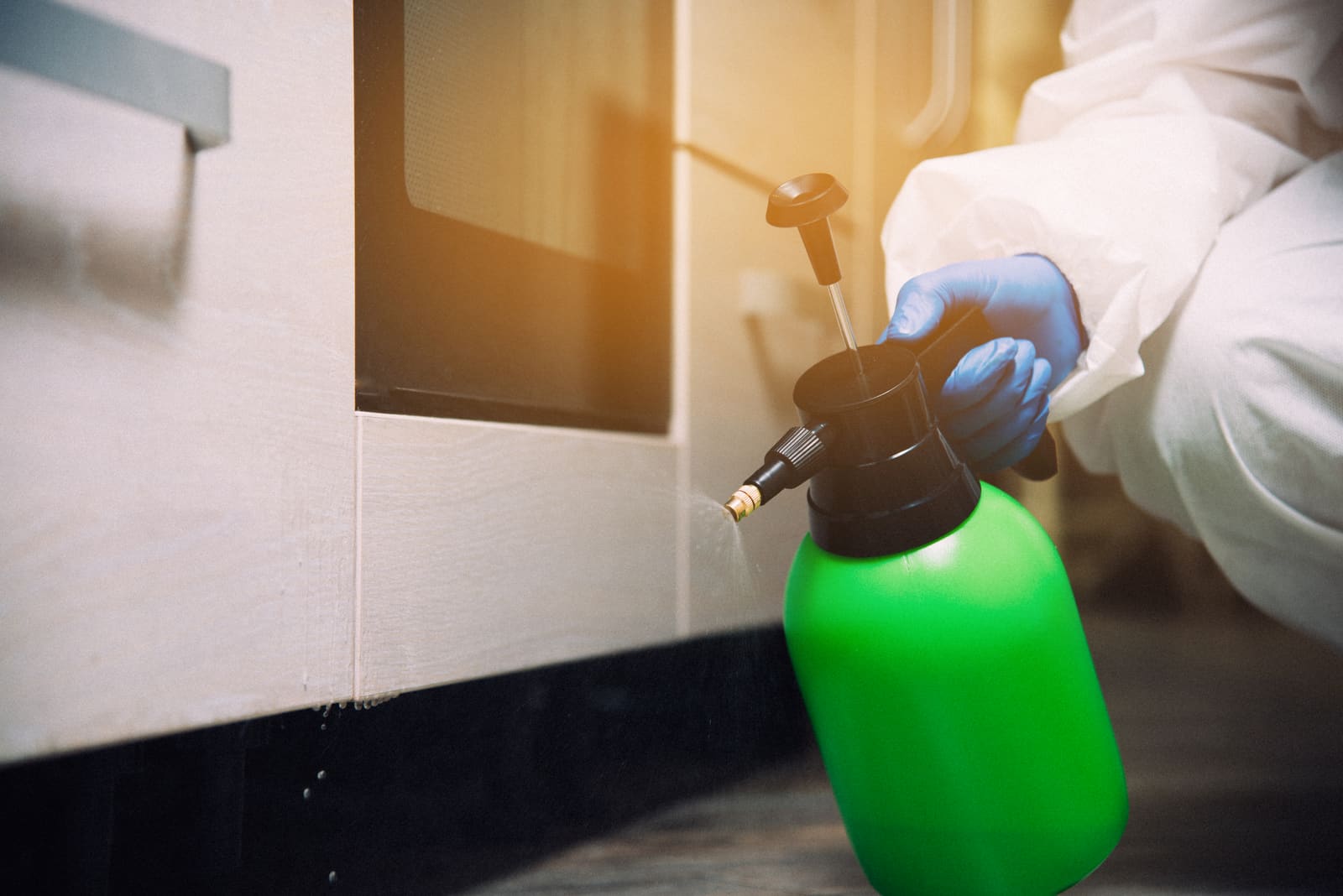
Residential pest control services often get reduced, in a homeowner’s mind, to “someone sprays the outside of the house every few months.” What actually happens during a quarterly visit is considerably more involved than that, and most homeowners have never actually watched a technician work through the full residential pest control checklist from start to finish. A real quarterly visit includes an interior and exterior inspection, targeted treatment based on what’s actually found, and documentation that carries forward to the next visit, not a generic perimeter spray repeated on a schedule. Here is what a technician is genuinely doing at your house during a standard visit, and why each part of that checklist matters more than the treatment itself.
It Starts With an Inspection, Not a Sprayer
Before any product goes down, a technician walks the property looking for actual signs of activity: pest droppings, webbing, nesting material, moisture issues, and any new gaps or cracks that have appeared since the last visit. This step matters because treatment aimed at the wrong pest, or applied without knowing where the real access points are, tends to knock down what’s visible without addressing the reason the pest showed up in the first place.
The inspection covers both the interior and exterior of a property, not just a walk around the yard. Baseboards, under-sink cabinets, garages, attics where accessible, and any area with a history of previous activity all get a look. A technician who has serviced a property before also has notes from prior visits to compare against, which makes it easier to spot a new problem developing versus something that’s already been addressed and is not expected to return.
This inspection step is also where a technician forms a plan for the rest of the visit. Rather than following an identical script at every stop, the specific mix of treatment applied during a visit gets shaped by what the inspection actually turns up: heavier ant activity on one side of the house might mean more attention to that specific foundation line, while a clean interior with only minor exterior webbing might mean a lighter, faster visit overall. This is the part of the process that separates a real inspection-driven service from a technician who shows up, sprays a set perimeter regardless of conditions, and leaves.
The Exterior Perimeter Treatment
The exterior treatment is the part most homeowners picture when they think of pest control, and it does happen, but it is targeted rather than a blanket spray over every surface. Products go down around foundation lines, entry points, eaves, and other areas where pests are known to travel or nest, using eco-friendly, family- and pet-safe products designed to create a barrier without unnecessary chemical use elsewhere on the property.
Spider webs and egg sacs get cleared from eaves, window corners, and other typical web-building spots, since leaving them in place tends to draw new spiders back to the same locations even after a treatment. Ant trails found along foundation walls or walkways get identified and treated at the source rather than just along the visible trail, since spraying only what’s visible on the surface tends to produce a temporary knockdown followed by a repeat trail within a few weeks.
Garage doors, window screens, vents, and utility penetrations get a quick visual check as part of this pass as well, since these are common entry points that develop small gaps over time from weather, settling, and general wear. A technician who notices a torn screen or a gap that has opened up around a utility line will flag it, since sealing that kind of access point often does more to prevent a future problem than any amount of perimeter spray applied around it.
What Happens Inside the Home
Interior treatment is more selective than exterior work, and for good reason: most pest pressure on a property originates from outside, so interior visits focus on specific problem areas rather than a room-by-room spray. Common interior focus areas include kitchens and bathrooms, where moisture and food sources draw cockroaches and ants, baseboards and door thresholds, where pests commonly enter, and any area where a homeowner has reported specific activity since the last visit.
Cobwebs and any visible insect activity inside the home get addressed during this pass as well. For a property with an active issue indoors, a technician may place monitoring devices, small glue boards or bait stations, to track activity between visits without needing an additional service call just to check whether a treatment is working.
Never Actually Watched a Full Service Visit?
See exactly what’s included when you schedule your first appointment.
See Residential Pest Control »Monitoring and Documentation Between Visits
One of the more overlooked parts of a quarterly program is what happens between visits, not just during them. Monitoring stations placed during a visit continue working in the background, and any notes about developing conditions, a new gap around a utility line, a damp patch near a foundation, standing water in a low spot in the yard, get logged and carried forward so the next visit picks up where the last one left off rather than starting from scratch.
This ongoing record is part of why a maintenance plan tends to outperform a single one-time treatment for pests that test the same access points repeatedly. A property with a documented pattern of ant activity near a specific corner of the foundation, for example, gets that spot checked specifically at every subsequent visit, rather than relying on a technician noticing it fresh each time.
Over several visits, this record starts to function almost like a health history for the property. A pattern of recurring spider activity near one particular light fixture, or ant trails that consistently reappear along the same stretch of foundation after rain, becomes visible over time in a way that a single isolated visit could never reveal. That accumulated context is part of what a homeowner is actually paying for with a maintenance plan, not just the individual treatments applied at each stop.
Why the Checklist Changes With the Seasons
A quarterly visit in the middle of a hot Riverside summer looks different from one scheduled in the cooler months, even on the same property. Mosquito and ant activity tends to peak during the warmer stretch of the year, so a summer visit puts extra attention on standing water sources, irrigation runoff, and exterior trails, while a fall or winter visit shifts more attention toward sealing gaps that let pests move indoors as outdoor conditions cool and pests look for shelter.
This seasonal adjustment is part of why a maintenance plan tends to outperform a single one-time treatment scheduled without any regard for the time of year. A technician working a property they have already serviced knows what tends to show up during that particular quarter, based on the region’s typical pest pressure and what has come up on that specific property historically, rather than running through the exact same checklist regardless of season.
What a Technician Is Actually Trained to Notice
A quarterly visit relies on a technician’s ability to notice details a homeowner would likely walk right past. That includes subtle signs like a single discarded wing near a window frame, a faint grease trail along a baseboard, a slightly warped weep screed that has opened up just enough for a mouse to fit through, or a change in a spider’s web pattern that suggests a new, more active population has moved in since the last visit.
This training is exactly why a real quarterly visit is worth more than the sum of the products applied during it. Two properties can receive an identical exterior treatment and end up with very different long-term results, depending on whether the technician doing the work caught the small early signs that predict a bigger problem down the road, or simply treated what was visible and moved on to the next stop.
What a Standard Visit Typically Does Not Include
It’s worth being direct about the limits of a standard quarterly visit, since setting the wrong expectation causes more frustration than the visit itself. Termite treatment, bed bug remediation, and an established rodent infestation generally fall outside the scope of a routine perimeter and interior spot-treatment visit, since these situations call for a dedicated inspection and a treatment plan built specifically around that pest’s biology and life cycle.
A technician who spots signs of one of these bigger issues during a routine visit will flag it and recommend a separate, focused inspection rather than trying to fold it into the standard checklist. This is a protective measure as much as anything else. Termite and bed bug problems in particular tend to need a different scope of treatment than what a quarterly maintenance visit is designed to cover, and treating them as an afterthought during a routine stop rarely produces a lasting result.
Wildlife issues, squirrels or raccoons in an attic, for example, also typically fall outside a standard visit’s scope, since humane exclusion work requires its own dedicated inspection of entry points around a roofline that a routine perimeter and interior check is not designed to cover in the same level of depth. None of this means these bigger issues get ignored. It means they get correctly routed to the kind of focused, dedicated visit that actually resolves them, rather than being squeezed into a standard appointment built around a different scope of work entirely.
How Akela Approaches Residential Pest Control
Every quarterly visit follows the same core structure: a real inspection first, targeted treatment based on what’s actually found, and documentation that carries forward to the next appointment. Products are eco-friendly and safe for families and pets throughout, every estimate is free before any work begins, and there are no contracts required, ever, which means a homeowner is never locked into a program that isn’t delivering results.
Because a routine visit often surfaces early signs of bigger issues, a technician who notices anything that looks like termite activity or a developing rodent problem during a standard stop will flag it immediately rather than waiting for the next scheduled visit, since those specific pests tend to reward early action far more than a wait-and-see approach. The same goes for anything that looks like it might need a species-specific approach, since ants, cockroaches, and spiders each respond to slightly different tactics depending on which species is actually present.
Get a Free Estimate for Quarterly Service
See exactly what’s included, no flat guesses, no long-term contract required.
See Residential Pest Control »A quarterly visit is not a quick spray-and-go appointment, even though it often looks that simple from a homeowner’s front porch. Inspection, targeted treatment, monitoring, and documentation are all working together in the background, and understanding what’s actually included makes it a lot easier to tell whether a pest control program is doing its job, and to know what to actually expect the next time a technician’s truck pulls into the driveway.
Frequently Asked Questions
What actually happens during a quarterly pest control visit?
A technician inspects the interior and exterior of the property, treats active problem areas and known entry points with eco-friendly products, clears spider webs and egg sacs, and documents conditions to track between visits.
Does the technician treat inside the house every visit?
Interior treatment is selective and focused on specific problem areas like kitchens, bathrooms, and entry points, rather than a full room-by-room spray, since most pest pressure originates from outside the home.
Is termite or bed bug treatment included in a standard quarterly visit?
No. Termites, bed bugs, and established rodent infestations generally require a separate, dedicated inspection and treatment plan built around that specific pest, rather than being folded into a routine visit.
What happens between scheduled visits?
Monitoring stations continue tracking activity, and any developing conditions noted during a visit, like a new gap or a moisture issue, get logged and checked specifically at the next appointment.
Are the products used safe for pets and children?
Yes. Products used during residential visits are eco-friendly and formulated to be safe for families and pets once applied and dried.