
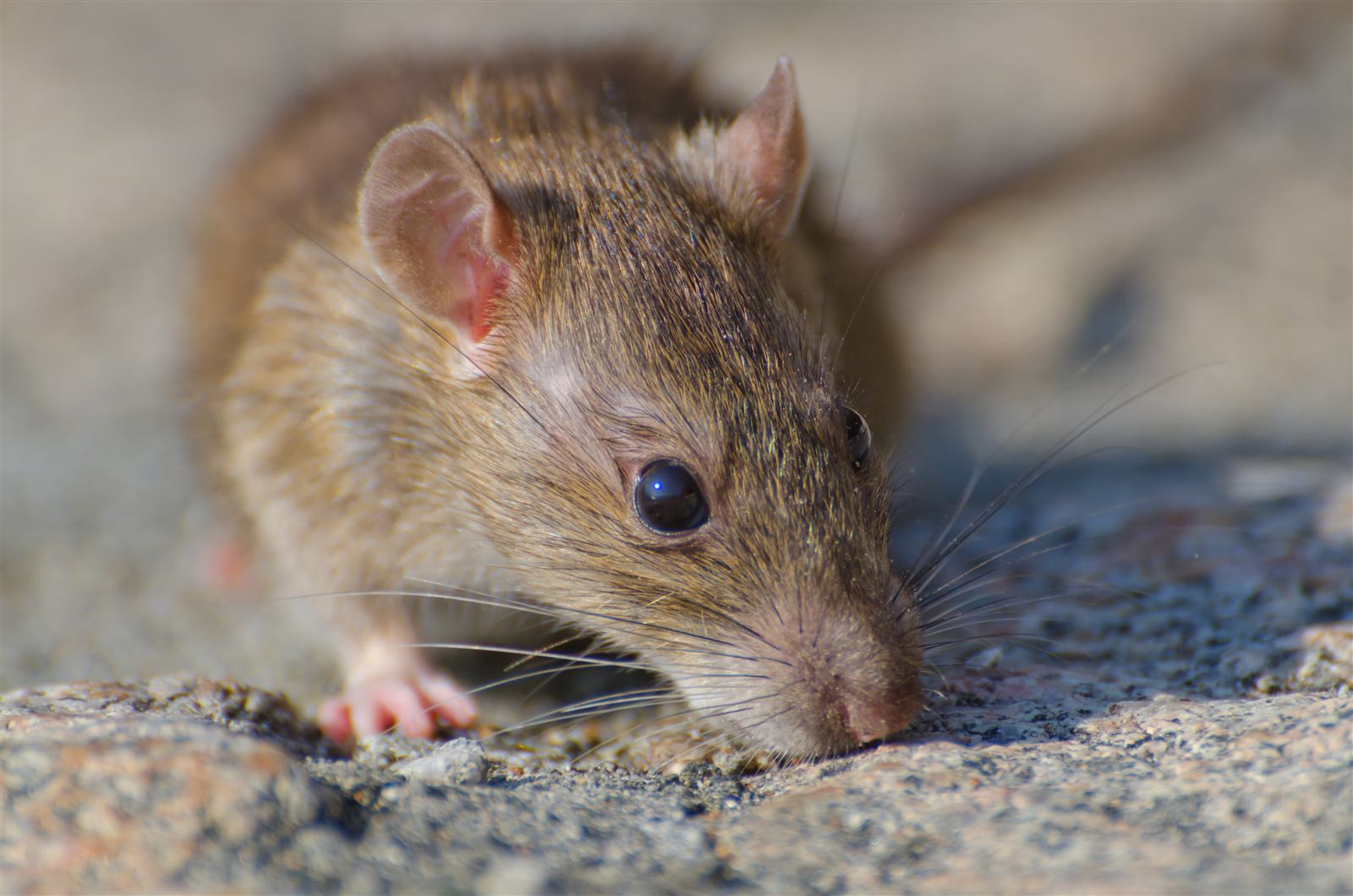
Rat pest control cost varies more than most homeowners expect, and the reason comes down to which rat species is actually involved, not just how many rats are present. Norway rats and roof rats behave differently, access a structure through different points, and call for different exclusion materials, which means a rat control job priced for one species can be completely wrong for the other. A ground-level Norway rat problem in a crawl space is a different scope of work than a roof rat population accessing an attic through overhanging branches, even though both get lumped under the same general “rat control” search. Here is what actually drives the price of a rat job, why species identification matters before any number gets quoted, and what a complete treatment plan should honestly include.
Two Very Different Rats, Two Very Different Jobs
Norway rats and roof rats are frequently treated as interchangeable in casual conversation, but they are genuinely different animals with different preferred locations, different access requirements, and different behavior patterns overall. Norway rats prefer lower levels of a structure, basements, ground floors, and crawl spaces, and they take advantage of larger gaps around foundations, crawl space vents, and ground-level utility penetrations. Roof rats, by contrast, are excellent climbers that invade attics and upper areas, entering through rooflines, overhanging tree branches, gaps around roof vents, or eaves that have deteriorated over time.
Because these two species occupy different parts of a structure and use different access points, a rat control job scoped for the wrong species wastes both time and money. Sealing ground-level gaps does nothing for a roof rat population coming in through an overhanging tree branch, and trimming back trees does nothing for a Norway rat problem accessing a crawl space through a foundation gap. Confirming which species is actually present is the first cost driver, before any pricing conversation about traps or exclusion materials even starts.
Behavior differences extend beyond just where each species travels. Norway rats tend to burrow and create underground nesting sites near a foundation, while roof rats build nests in elevated locations like attics, dense vegetation, or even inside palm fronds where available. A property’s landscaping and construction style genuinely shifts which species is statistically more likely present, which is part of why a technician’s first question during an inspection is rarely “how many rats” and more often “where exactly are you seeing activity.”
Exclusion Material Size Requirements Differ by Species
Rats need considerably larger openings than mice to gain access, and the gap size that qualifies as an access point differs somewhat between Norway rats and roof rats as well, based on subtle differences in body size and climbing ability. Exclusion work calibrated to the wrong size standard either wastes material sealing gaps that were never the actual access point, or fails to fully close an opening that looks sealed but isn’t quite tight enough for the specific species involved.
This matters directly for pricing because exclusion materials and labor scale with both the number of access points and the size of material needed to properly close them. A property with several larger, roof-level gaps typical of a mature roof rat access pattern requires different materials and more time working at height than a property with smaller, ground-level Norway rat gaps around a foundation. Neither job is inherently more or less expensive across the board, but pricing either one using the wrong species’ access requirements produces an inaccurate quote either way.
Working at roof height also introduces its own cost considerations beyond materials alone. Roof rat exclusion often requires ladder work, careful navigation around roofing materials that shouldn’t be damaged during the sealing process, and sometimes coordination around active nesting sites that need to be cleared before an entry point can be permanently closed. Ground-level Norway rat exclusion, while requiring its own precision around foundation vents and utility penetrations, generally doesn’t carry the same access logistics that roof-level work does, which is another reason identical linear footage of sealing work can carry different labor costs depending on where it’s happening.
Not Sure Which Rat You’re Dealing With?
A trained inspection confirms the species before any pricing conversation.
Request a Free Inspection »Bait Station Placement Depends on the Species
Bait station placement is another factor that shifts based on which rat species is involved, and getting this wrong is a common reason a homeowner ends up calling for a second visit after an initial treatment. Norway rats travel along ground-level paths, foundation lines, fence lines, and low vegetation, so bait stations for this species get placed accordingly, close to the ground and along the travel routes a ground-dwelling rodent actually uses.
Roof rats travel along elevated paths, fence tops, utility lines, and tree branches, and their foraging behavior stays elevated for much of their activity. Bait station placement for a roof rat population needs to account for this vertical travel pattern rather than assuming the same ground-level placement that works for a Norway rat population. A property with mixed activity, some ground-level and some elevated, may need a more involved placement strategy covering both patterns, which adds to the scope and cost of the job compared to a property with a single, clearly identified species active on it.
Extent of the Infestation and Property History
As with any rodent job, how established the population is affects cost directly. A property with a recently arrived rat or two, caught early, generally needs a more contained scope: confirm the entry point, seal it, place traps or bait as appropriate, and confirm resolution on a follow-up visit. An established population with a longer history on the property typically means more nesting sites to address, more contamination in stored items or insulation to account for, and a longer inspection process to trace the full extent of activity through a crawl space, attic, or wall void.
Property age and construction style play a role in framing expectations as well. Older homes with more gaps, aging foundations, and established crawl spaces tend to give Norway rats and roof rats easier access generally, which can mean a property with a long history of rodent pressure needs a more thorough exclusion job than a newer, tighter-built home experiencing its first rat problem. Neither scenario is unusual, but they represent genuinely different scopes of work reflected in the final price.
A property’s own service history matters too, if it has one. A property that has had rat activity addressed before, but is seeing a recurrence, often benefits from a technician reviewing what was done previously and why it may not have held, rather than starting a fresh assessment from zero. This kind of continuity can actually reduce the time needed for a follow-up job, since some of the diagnostic work has already been done, provided the previous service notes are available to reference.
Landscaping Is Part of the Cost Picture Too
Mature landscaping, especially trees with branches overhanging a roofline, plays an outsized role in roof rat risk specifically, and it factors into a comprehensive rat control plan beyond just the structure itself. A property with established, decades-old trees reaching over the roof presents a meaningfully different roof rat risk profile than the same home with young, recently planted trees nowhere near the roofline, and a technician assessing a roof rat job will typically recommend trimming back overhanging branches as part of the overall plan.
This landscaping component doesn’t always show up in a flat quote for “rat control,” but it’s a genuine part of what actually resolves a roof rat problem long-term. A property owner who declines the tree-trimming recommendation and only pays for trapping and exclusion may see a resolved problem return more quickly than one who addresses the full picture, since the elevated access point that made the property attractive to roof rats in the first place remains open.
This is worth setting realistic expectations around during the quoting process itself. Some property owners prefer to handle tree trimming separately through a landscaper rather than including it in the pest control quote, which is a reasonable choice, but it does mean the pest control portion of the job should be understood as addressing part of the problem rather than the entire risk picture, until the landscaping piece is also handled.
None of this needs to feel overwhelming for a property owner trying to get a straight answer. The short version is simple: confirm the species first, then price the exclusion, bait placement, and any landscaping work around what that specific animal actually requires. A quote built in that order tends to hold up. A quote built backward, starting from a flat number and working out what to include, tends to need revising once a technician actually gets a look at the property in person.
How Akela Approaches Rat Control
We use a humane approach with traps and exclusion techniques that prioritize animal well-being without unnecessary harm, backed by years of experience identifying rodent activity across Riverside and the surrounding areas. Every visit starts with a thorough inspection to determine which species is actually present and where it’s getting in, followed by a customized plan rather than a generic trap-and-hope approach calibrated to the wrong animal. Products and methods are safe and eco-friendly, posing minimal risk to family and pets, every estimate is free before any work begins, and there are no contracts required, ever. Where landscaping is a genuine contributing factor, that recommendation gets included in the plan honestly, rather than leaving it out to present a lower initial number that doesn’t reflect what actually resolves the problem.
Because rat activity often shares root causes with other pests, an inspection triggered by rat concerns is also a useful opportunity to check for wildlife activity using similar rooflines and access points, since roof rats, squirrels, and other attic-dwelling wildlife frequently exploit the same overhanging branches and roof vent gaps. Catching multiple issues sharing the same access point during one visit tends to be far more cost-effective than addressing them as separate calls months apart.
See Our Full Rodent Control Services
Get a free estimate and a real inspection to confirm the species and the true scope of the job.
See Rodent Control »Rat control pricing isn’t a single number that applies across the board, and the biggest reason for that isn’t the size of the property, it’s which species is actually involved. A ground-level Norway rat job and an elevated roof rat job call for different exclusion materials, different bait placement, and sometimes different landscaping recommendations entirely, which is exactly why an accurate quote starts with a real inspection rather than a description over the phone, and why the cheapest quote isn’t always the one that actually solves the problem.
Frequently Asked Questions
Why does rat control pricing vary so much between properties?
Cost depends heavily on which rat species is involved, Norway rats versus roof rats, since each requires different exclusion materials, bait placement, and sometimes landscaping work, along with the extent of the infestation and how established it is.
What’s the difference between a Norway rat job and a roof rat job?
Norway rats access a structure at ground level through foundation gaps and crawl space vents, while roof rats climb in through rooflines, overhanging branches, and roof vent gaps. Each requires different exclusion materials and bait station placement.
Does landscaping really affect the cost of rat control?
Yes, particularly for roof rats. Overhanging tree branches give roof rats an elevated path onto a structure, and trimming them back is often part of a complete treatment plan, not just trapping and exclusion at the structure itself.
Why does bait station placement matter for cost and effectiveness?
Norway rats travel at ground level while roof rats travel along elevated paths, so bait stations need to be placed according to each species’ actual travel pattern. Getting this wrong is a common reason a first treatment doesn’t fully resolve the problem.
Should I get an inspection before assuming a flat price for rat control?
Yes. A real inspection confirms which species is present, how established the population is, and what exclusion work is actually needed, which is the only way to get an accurate price rather than a guess based on a phone description.