
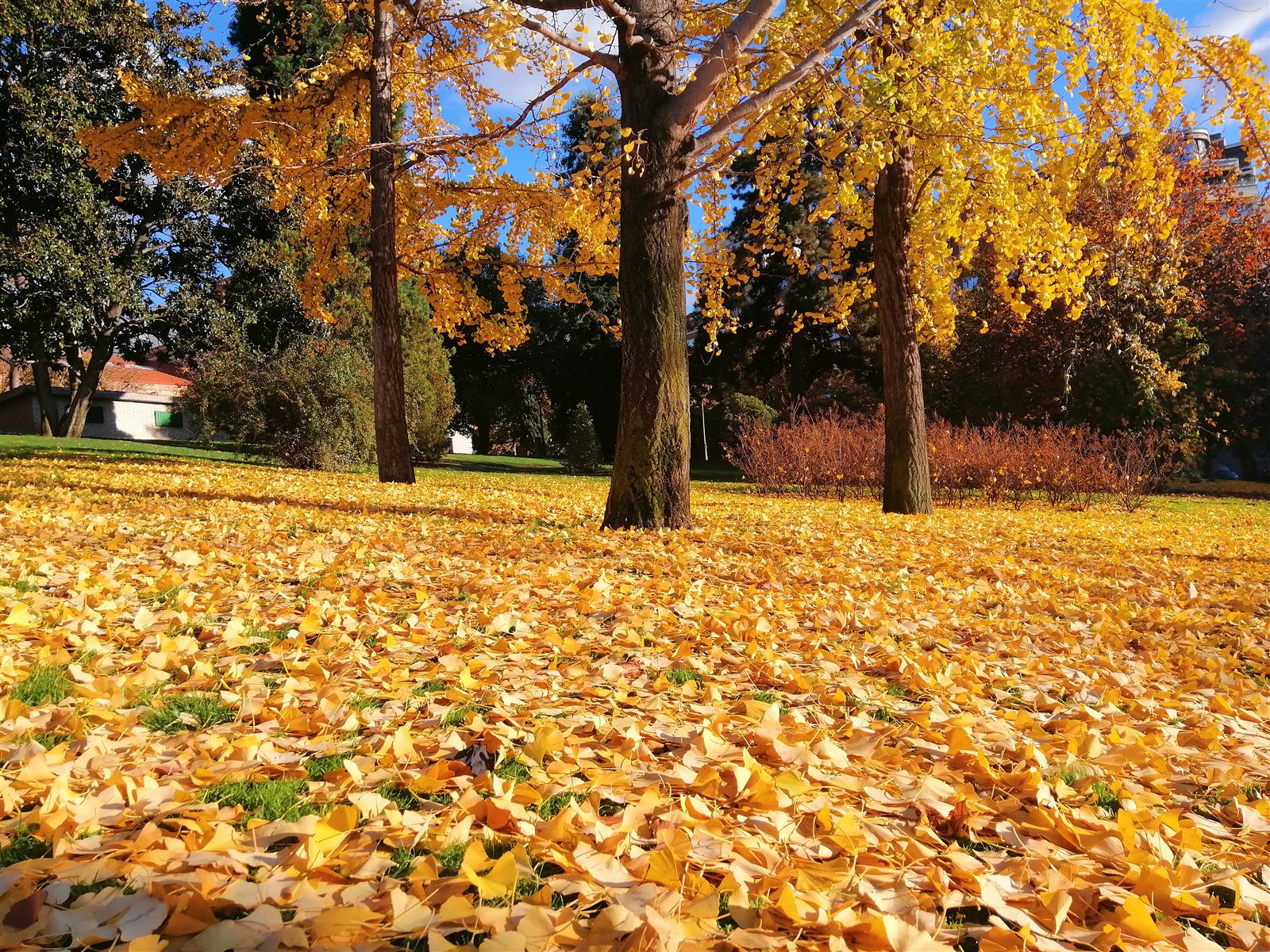
A fall pest prevention checklist matters more in Southern California than most homeowners assume, precisely because the season doesn’t bring the hard freeze that naturally shuts down pest activity in much of the rest of the country. Cooling temperatures push rodents, spiders, and other pests to seek shelter indoors, while the year’s first real rain triggers termite swarms and shifts moisture conditions across a property all at once. A quick pest control walk-through in early fall catches most of these seasonal shifts before they turn into a bigger problem heading into winter. Here is the checklist most Southern California homeowners skip, why each item on it actually matters this time of year specifically, and what to look for at every stop along the way.
Why Fall Is a Genuine Turning Point Here, Even Without a Hard Freeze
In much of the country, fall marks the beginning of a natural pest die-off as temperatures drop below what most insects and rodents can tolerate outdoors. Southern California’s mild fall and winter mean that die-off never really happens here, which means pests don’t disappear this time of year, they relocate. Cooling nighttime temperatures push rodents, spiders, and other pests to seek warmer, more sheltered conditions, and a home’s interior, attic, or garage looks considerably more appealing once outdoor conditions start cooling even modestly.
This is part of why a fall pest check matters even in a region known for mild winters. The absence of a hard freeze means a fall inspection is addressing an active, ongoing shift in pest behavior, not a seasonal lull, which is exactly the distinction that trips up homeowners who assume “it’s not that cold yet” means pest activity should be tapering off rather than actively changing shape.
This shift also tends to catch homeowners off guard because it doesn’t come with the obvious visual cues a real change of season provides elsewhere. There’s no falling leaves or frost to signal that outdoor conditions have changed enough to matter, which means the seasonal pest shift in Southern California happens quietly, without any of the usual visual reminders that prompt a fall home-maintenance mindset in other parts of the country.
Seal Entry Points Before Rodents Start Looking for Shelter
Mice need only a dime-sized gap to gain entry, and rats need a somewhat larger but still easy-to-overlook opening, which means small gaps around utility penetrations, warped weep screeds, and worn garage door seals become considerably more consequential as cooler weather pushes rodents to seek shelter. A fall walk-around checking these specific points, dryer vents, utility line penetrations, gaps where a roofline meets a fascia board, torn vent screens, catches exactly the kind of small opening that’s easy to miss during the rest of the year when rodent pressure is lower.
Weatherstripping around doors and windows deserves a check at the same time, since a season of sun exposure can leave it worn thin or gapped in ways that weren’t obvious back in spring. This is also a good time to trim back any vegetation that has grown up against the exterior of a structure over the summer, since overgrown landscaping against a wall creates both cover and a bridge for pests looking for a way in.
A useful way to approach this check is to walk the entire exterior perimeter slowly, rather than only glancing at the areas that come to mind first. Garage door bottoms, the gap where a deck or patio meets the house, vents on the side of a structure rarely seen from the street, and the underside of any exterior utility boxes are all worth a specific look, since these are exactly the spots that don’t get noticed during a casual pass but are frequently where a fall rodent problem actually starts.
Want a Professional Set of Eyes on Your Fall Checklist?
Get a free inspection to catch what a DIY walk-around might miss.
Request a Free Inspection »Check for Termite Swarm Signs After the First Rain
The first significant rain of the season is one of the most reliable triggers for a subterranean termite swarm in this region, since softened, moisture-rich soil gives winged reproductives ideal conditions to emerge and disperse. A few days spent checking windowsills, porch areas, and foundation walls for discarded wings right after that first storm is one of the highest-value, lowest-effort items on a fall checklist, since it’s one of the only times all year a termite colony actively announces its presence rather than staying hidden.
While checking for swarm signs, it’s worth glancing at foundation walls and crawl space supports for mud tubes as well, narrow tunnels built from soil, wood particles, and termite saliva that indicate termites have had access to that point at some stage. Even an old, dry mud tube is worth mentioning to a technician, since it confirms a point of vulnerability worth checking further.
The physical difference between termite swarmers and flying ants matters here too, since both tend to appear around the same general time of year and are easy to confuse from a distance. Termite swarmers have two pairs of roughly equal-length wings and a straight, thick waist, while flying ants have a longer front wing pair and a distinctly pinched waist. A homeowner who finds a small swarm or a pile of discarded wings doesn’t need to make a confident identification on the spot, but treating either one as worth a professional look is a reasonable default given how different the consequences are between the two.
Trim Back Landscaping That’s Grown All Summer
A full growing season of unchecked growth often leaves tree branches overhanging a roofline by fall, which is exactly the kind of elevated access point roof rats and other climbing wildlife use to reach an attic without ever touching the ground. Trimming back branches that have crept toward or over a roofline is one of the more effective, and frequently overlooked, prevention steps available to a homeowner without needing to touch the structure itself.
Woodpiles that have been building up in preparation for cooler weather deserve a second look too, since they’re a classic black widow hiding spot, and a woodpile that’s been added to gradually over the summer without being moved is exactly the kind of undisturbed condition that spider prefers. Moving a woodpile away from direct contact with an exterior wall, and giving it a check before pulling logs by hand, reduces both a spider risk and a termite access point in one step.
Fall is also a reasonable time to reassess any storage areas, sheds, and garages that have accumulated clutter over the summer months. A shed that’s been steadily filling up with seasonal items, patio furniture covers, sporting equipment, gardening supplies, offers exactly the kind of undisturbed, low-traffic environment that both black widows and rodents look for as the weather starts to cool. A fall cleanout isn’t just a tidiness exercise, it directly reduces the hiding spots available to pests looking for a place to settle in before winter.
Address Standing Water Before It Stops Being Obvious
Mosquito breeding sites don’t disappear the moment summer ends in this region, and a fall check of gutters, planter saucers, and any forgotten containers holding water is worth doing before shorter days and cooler evenings make it easy to stop thinking about outdoor conditions altogether. A clogged gutter holding water after an early fall rain can support several generations of mosquitoes before anyone notices, particularly once outdoor time starts naturally decreasing as evenings cool.
This is also a reasonable time to check irrigation habits generally, since a sprinkler head spraying against a planter bed or a slow drip line creates exactly the kind of consistent moisture that draws Argentine ants to establish new nesting sites. A small adjustment now, angling a sprinkler away from a bed or fixing a slow leak, can meaningfully reduce ant pressure heading into the following spring.
Fall is often when irrigation schedules get adjusted for cooler weather anyway, which makes it a natural, low-effort moment to also check for leaks or misdirected sprinklers while making those seasonal adjustments. A five-minute walk around the yard while resetting a sprinkler timer costs nothing extra and catches exactly the kind of small moisture issue that quietly drives both mosquito and ant pressure for months at a time if left unaddressed.
None of these items require special tools or professional training to at least start checking on your own. What they do require is actually setting aside an afternoon to walk the property with this specific list in hand, rather than relying on a general sense that everything looks fine from a quick glance out the kitchen window. The value of a checklist is in its specificity: knowing exactly what to look for at each stop turns a vague good intention into an afternoon that actually accomplishes something before the season fully turns.
How Akela Approaches Seasonal Pest Prevention
A fall inspection through Akela covers the same core checklist a homeowner can do on their own, entry points, landscaping, standing water, termite signs, but with the benefit of a trained eye that knows exactly what to look for and where problems tend to hide on a typical Riverside-area property. Every visit starts with a real inspection, not a guess, every estimate is free before any work begins, and there are no contracts required, ever. A DIY checklist is a genuinely useful starting point, but a professional pass tends to catch the specific gaps, moisture sources, and early signs that a homeowner’s own walk-around understandably misses without years of pattern recognition behind it.
Because fall conditions shift pest pressure across several species at once, a seasonal inspection is also a natural opportunity to check for early spider activity moving indoors as temperatures cool, since spiders follow the same insect prey that’s also relocating toward shelter this time of year. A single visit that covers rodents, termites, spiders, and standing water together tends to be more efficient than addressing each one separately as it becomes noticeable over the following months.
See Our Full Residential Pest Control Services
Get a free estimate and a real fall inspection before the season’s pest shift catches you off guard.
See Residential Pest Control »Fall in Southern California doesn’t bring the hard stop most of the country gets from a real winter, which means the pest pressure doesn’t pause either, it shifts. A short list of checks, sealing gaps, watching for termite swarm signs, trimming overgrown landscaping, and clearing standing water, catches most of that shift before it becomes a bigger problem once the weather actually turns, and it takes far less time than most homeowners expect once it’s broken down into specific, actionable steps rather than a vague sense that “something should probably be checked.”
Frequently Asked Questions
Why does fall pest prevention matter in Southern California if winters are mild?
Without a hard freeze, pests don’t die off in fall the way they do elsewhere. Instead, cooling temperatures push rodents, spiders, and other pests to seek shelter indoors, which makes fall an active shift in pest behavior rather than a seasonal lull.
What’s the most important item on a fall pest checklist?
Sealing entry points before rodents start seeking shelter tends to have the highest impact, since mice need only a dime-sized gap and small openings become more consequential as cooler weather increases rodent pressure indoors.
Why check for termites specifically in fall?
The first significant rain of the season triggers termite swarms, one of the only times all year a colony actively announces its presence through discarded wings, making the days after that first storm a high-value window for catching early termite activity.
Does standing water still matter once summer ends?
Yes. Mosquito breeding sites don’t disappear immediately after summer, and a clogged gutter or forgotten container can still support several generations of mosquitoes into early fall before cooler evenings naturally reduce activity.
Should I trim landscaping as part of fall pest prevention?
Yes. Branches that have grown over a roofline during summer give roof rats and other wildlife an elevated path onto a structure, and overgrown woodpiles are a classic black widow hiding spot worth checking before cooler weather sets in.