
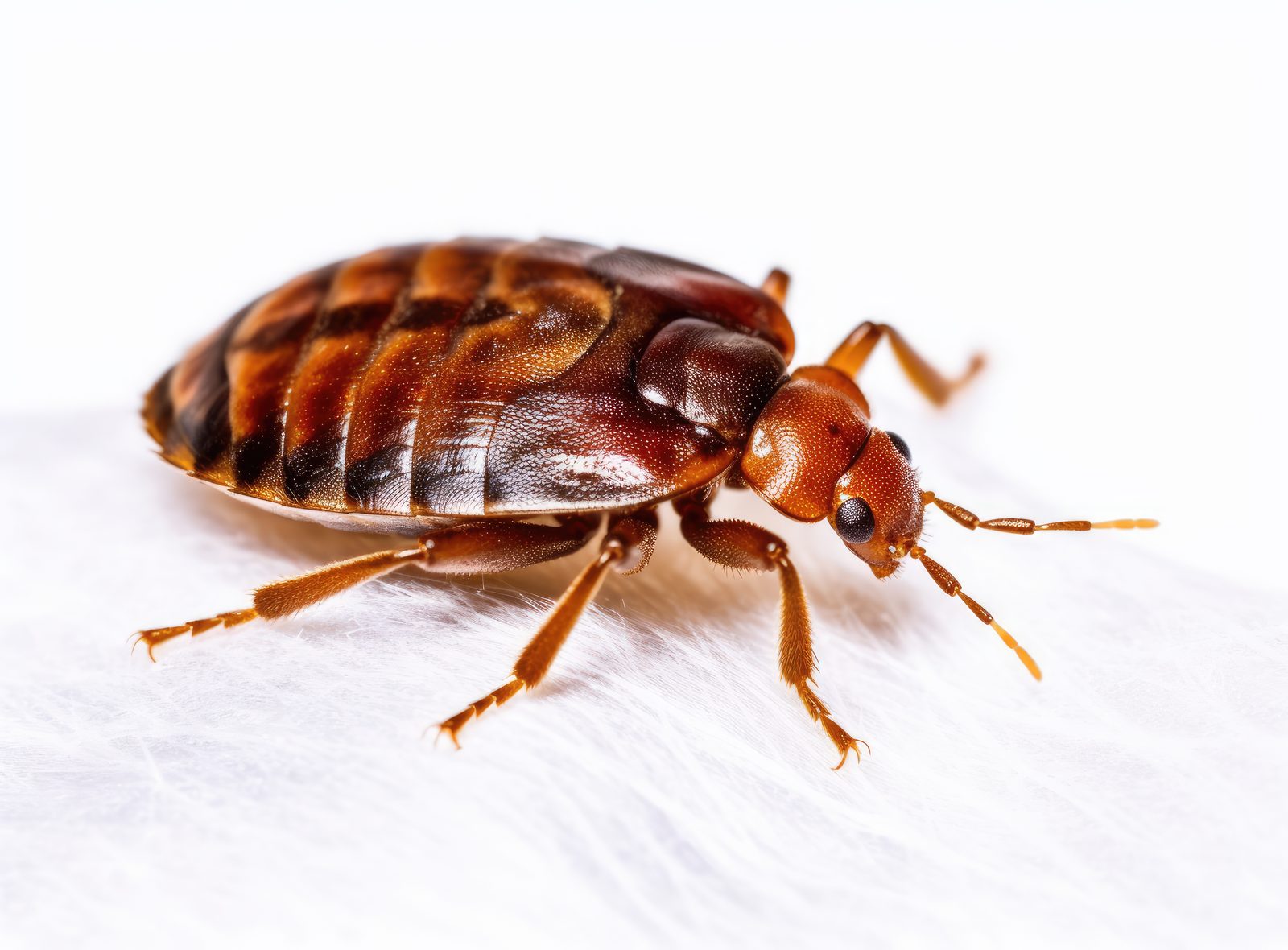
Bed bug pest control cost varies significantly depending on whether a property is treated with heat or chemicals, and the two methods differ enough in equipment, time, and follow-up requirements that they rarely land at a similar price. Heat treatment raises a room’s temperature to a level lethal to bed bugs at every life stage in a single extended session, while chemical treatment relies on residual products applied in stages, often requiring multiple visits spread across several weeks. Neither approach is automatically the better value, since the right choice depends on the extent of the infestation, the property type, and how quickly a property needs to be fully cleared. Here is how heat and chemical bed bug treatment actually differ, why heat’s higher price tag often comes with fewer follow-up visits, and why confirming a genuine bed bug problem matters before committing to either one.
How Heat Treatment Actually Works
Heat treatment involves raising the temperature inside a room or an entire structure to a level lethal to bed bugs at every life stage, roughly 120 to 135 degrees Fahrenheit, sustained for several hours to ensure the heat penetrates into mattress seams, furniture joints, and wall voids where bed bugs hide. This isn’t a matter of just cranking up a thermostat. It requires specialized equipment, industrial heaters and fans to circulate hot air evenly throughout a space, along with temperature monitoring to confirm every part of a room, including hard-to-reach spots inside furniture, actually reaches a lethal temperature rather than just the air in the middle of the room.
This equipment and the multi-hour session it requires are the main reasons heat treatment costs more upfront than a single chemical visit. The specialized heaters, the labor to set up and monitor the treatment throughout the session, and the careful preparation needed beforehand, removing heat-sensitive items, unplugging electronics, opening furniture to expose hidden areas, all add real cost to a heat treatment that a chemical application doesn’t require to the same degree.
Room size and layout also affect heat treatment cost directly. A larger space, or one with dense furniture and cluttered storage, takes longer to bring up to and hold at a lethal temperature evenly throughout, since heat needs to circulate into every hidden crevice rather than just the open air. A property with extensive furniture, stacked boxes, or built-in cabinetry generally requires more time and monitoring than a simply furnished room of the same square footage, which is part of why two rooms of identical size can carry different heat treatment costs depending on what’s actually inside them.
How Chemical Treatment Actually Works
Chemical treatment relies on residual insecticides applied to cracks, crevices, mattress seams, and other harborage areas, designed to kill bed bugs that come into contact with treated surfaces over an extended period rather than all at once. Because bed bug eggs are more resistant to chemical treatment than adults and nymphs, a single chemical visit often isn’t enough to fully break the life cycle, which is why chemical treatment plans typically include a follow-up visit or two, spaced to catch eggs that have since hatched into more vulnerable nymphs.
This staged approach spreads the total cost of a chemical treatment plan across multiple visits rather than one larger upfront cost, which can make chemical treatment look less expensive at the outset even when the total cost across the full treatment plan ends up comparable to a single heat treatment session. The trade-off is time: a chemical plan takes longer to fully resolve an infestation, since it depends on successive visits timed around the bed bug life cycle rather than addressing every life stage in one session.
Product rotation matters for chemical treatment plans as well, since relying on a single active ingredient across every visit can allow a population to develop some resistance over time, similar to the pattern seen with gel bait resistance in certain cockroach populations. A well-managed chemical program varies its approach across visits rather than repeating the exact same application indefinitely, which is part of what a professional treatment plan accounts for that a single over-the-counter product typically doesn’t.
Not Sure Which Treatment Fits Your Situation?
Get a free inspection and an honest comparison of heat versus chemical treatment for your property.
Request a Free Inspection »Why Heat’s Higher Price Often Means Fewer Visits
Heat treatment’s core advantage is that it addresses every bed bug life stage, eggs included, in a single session, since the sustained high temperature is lethal regardless of whether a bed bug has hatched yet. This is fundamentally different from chemical treatment’s reliance on residual contact over time, which structurally requires a follow-up visit to catch eggs that survive the initial application and later hatch into nymphs.
This means the higher upfront cost of heat treatment often reflects genuinely less total service over the life of the treatment plan, one extended session instead of two or three staged visits, rather than simply being a more expensive version of the same service. For a property that needs to be cleared quickly, a hotel room that can’t stay out of service for weeks, or a household eager to stop dealing with an active infestation, heat’s speed can offset its higher single-visit price when compared against the full cost and time span of a multi-visit chemical plan.
This comparison only holds up when heat treatment is executed correctly, though. A rushed or improperly monitored heat treatment that fails to reach a lethal temperature in every hidden crevice can leave surviving bed bugs behind despite the higher cost, which is why the monitoring equipment and technician attention throughout the session matter just as much as the heaters themselves. A heat treatment done poorly offers none of its cost advantage, since a property left with surviving bed bugs after a single expensive session ends up needing additional treatment anyway.
Which Method Actually Fits a Given Situation
Neither method is universally the better choice, and the right fit depends on the specific property and situation. A property with a large infestation spread across multiple rooms, or one that needs to return to normal use as quickly as possible, often benefits from heat treatment’s single-session approach despite the higher upfront cost. A smaller, more contained infestation, or a situation where staged visits over a few weeks are genuinely acceptable, might reasonably start with chemical treatment instead.
Property type factors in too. Heat treatment requires items sensitive to high temperatures, certain electronics, some plastics, specific types of artwork or instruments, to be removed or protected beforehand, which adds a layer of preparation that doesn’t apply the same way to a chemical treatment. A property with a lot of heat-sensitive contents may find chemical treatment more practical despite the longer timeline, simply because the preparation burden is lower.
Structural considerations matter as well. Heat treatment works best in spaces that can actually hold and circulate high temperatures effectively, which can be more complicated in a multi-unit building where heat needs to stay contained to a single unit without affecting neighboring spaces. Chemical treatment doesn’t carry this same containment concern, which sometimes makes it the more practical choice in certain multi-unit situations regardless of cost.
Budget timing is a legitimate factor too, and it’s worth acknowledging directly rather than pretending cost never enters the decision. A household that can’t absorb a larger single expense all at once may reasonably choose a chemical plan’s smaller, staged payments even knowing the timeline will be longer, and that’s a defensible choice as long as it’s made with a clear understanding of the trade-off rather than an assumption that chemical treatment is simply the cheaper option with no real downside attached.
Why Getting the Diagnosis Right Matters Before Either Method
Bed bug bites are frequently confused with mosquito bites, since both appear as raised, itchy bumps and individual skin reactions vary enough that bite appearance alone is one of the least reliable ways to tell them apart. Bed bug bites often show up in a clustered or zigzag pattern after a night’s sleep, while mosquito bites tend to appear as isolated bumps on whatever skin was exposed at the time, but neither pattern is foolproof on its own.
Physical evidence, actual bugs found in mattress seams, tiny bloodstains on sheets, or dark fecal spotting along a mattress edge, is a far more reliable sign than bite pattern alone. Confirming an actual bed bug problem before committing to either heat or chemical treatment avoids the cost and disruption of treating for bed bugs when the real cause of new bites turns out to be something else entirely, like mosquitoes getting inside through an unscreened window.
The cost of guessing wrong here isn’t symmetrical. Assuming mosquitoes when it’s actually bed bugs gives an established infestation more time to grow before treatment finally begins, which can push a property from a smaller, more contained problem into the kind of widespread infestation that costs considerably more to resolve regardless of which method is ultimately chosen. That asymmetry is a good reason to lean toward a professional inspection when the evidence is genuinely unclear, rather than waiting to see if the bites simply stop on their own.
None of this needs to be a purely intuitive decision. A straightforward conversation covering the size of the affected area, the property type, any heat-sensitive belongings involved, and how quickly the space needs to return to use gives most homeowners a clear enough picture to weigh the trade-off between heat’s speed and chemical treatment’s staged, lower single-visit cost with real information rather than a guess.
How Akela Approaches Bed Bug Treatment
We evaluate each property individually to recommend the treatment method that actually fits the extent of the infestation, the property type, and how quickly the space needs to return to normal use, rather than defaulting to one method regardless of circumstances. Every visit starts with a real inspection to confirm bed bugs are actually present, not just suspected, and every estimate is free before any work begins.
Because bed bugs are not tied to poor hygiene and can affect any property, an honest inspection avoids treating a problem that may actually be something else, such as another biting insect, before committing to the cost and disruption of either heat or chemical treatment.
See Our Full Bed Bug Control Services
Get a free estimate and an honest recommendation between heat and chemical treatment.
See Bed Bug Control »Heat and chemical bed bug treatment solve the same problem through genuinely different mechanisms, and the price difference between them reflects real differences in equipment, session length, and follow-up requirements rather than one method simply costing more for the same result. The right choice depends on the specific infestation and property, and an honest inspection is what actually determines which one fits.
Frequently Asked Questions
Is heat treatment or chemical treatment cheaper for bed bugs?
Heat treatment typically costs more upfront due to specialized equipment and a longer single session, while chemical treatment spreads cost across multiple staged visits, which can make the total cost comparable depending on the situation.
Why does heat treatment often need fewer follow-up visits?
Heat treatment kills bed bugs at every life stage, including eggs, in a single session, while chemical treatment relies on residual contact over time and typically needs a follow-up visit to catch eggs that hatch after the initial treatment.
What temperature does heat treatment actually use?
Heat treatment sustains temperatures of roughly 120 to 135 degrees Fahrenheit for several hours, ensuring the heat penetrates mattress seams, furniture joints, and wall voids where bed bugs hide, not just the surrounding air.
Does property type affect which treatment method makes sense?
Yes. Properties with heat-sensitive contents or multi-unit buildings where heat containment is difficult may be better suited to chemical treatment, while properties needing to return to use quickly often benefit from heat’s single-session approach.
How can I tell if I actually have bed bugs before booking treatment?
Bite pattern alone is unreliable, since it’s easily confused with mosquito bites. Physical evidence like actual bugs in mattress seams, bloodstains, or dark fecal spotting is a far more reliable sign worth confirming before committing to treatment.